
What the Skin Changes Mean
Dark, velvety patches on the neck, armpits, or groin may look like dirt but can signal Acanthosis Nigricans, a
skin condition often linked to insulin resistance and high blood sugar.
These patches can’t be scrubbed away and aren’t caused by poor hygiene.
Causes and Risk Factors
Acanthosis Nigricans isn’t a disease itself—it’s a warning sign.
Common causes include insulin resistance, obesity, hormonal disorders, genetics, and rarely medications or tumors.
Children and adults with obesity who develop these patches may face a higher risk of type 2 diabetes.
Diagnosis and When to See a Doctor
The patches are usually painless and not itchy. Blood sugar tests can help confirm insulin resistance.
A doctor should be consulted if patches appear suddenly, spread, or come with symptoms like fatigue, excessive thirst, or frequent urination.
Management and Prevention
Treatment focuses on the root cause: healthy eating, physical activity, weight management, and regular health screenings. Early recognition supports long-term health.
Folliculitis Decalvans
Introduction
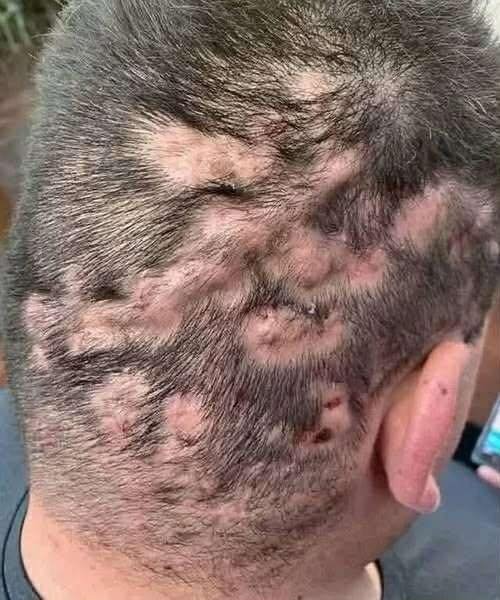
Folliculitis Decalvans is a rare chronic inflammatory disease of the scalp that causes destruction of hair follicles, leading to scarring and permanent hair loss. It usually affects adults and may progress slowly over time if not treated properly.
Causes
The exact cause of Folliculitis Decalvans is not fully understood, but several factors are believed to contribute:
- Bacterial infection – especially Staphylococcus aureus
- Abnormal immune response of the body
- Chronic inflammation of hair follicles
- Genetic predisposition in some people
- Poor scalp hygiene or repeated irritation may worsen the condition
Signs and Symptoms
Common symptoms include:
- Red or inflamed patches on the scalp
- Painful or itchy scalp
- Pus-filled bumps (pustules)
- Crusting or scabbing
- Burning sensation
- Hair loss in patches
- Scarring of the scalp
- Permanent bald areas in advanced cases
- Tufted hairs (multiple hairs growing from one follicle)
Diagnosis
Doctors diagnose Folliculitis Decalvans through:
- Physical examination of the scalp
- Medical history
- Swab test for bacteria
- Scalp biopsy in severe or unclear cases
Treatment
Treatment aims to control inflammation and prevent further hair loss.
Medications
- Oral antibiotics (such as doxycycline or rifampicin)
- Topical antibiotic creams or lotions
- Antifungal medicines if infection is suspected
- Corticosteroids to reduce inflammation
- Medicated shampoos
Home Care
- Keep the scalp clean
- Avoid scratching the scalp
- Do not share combs, towels, or hats
- Avoid harsh hair products
Complications
If left untreated, the disease may cause:
- Permanent scarring hair loss
- Recurrent infections
- Psychological stress or low self-esteem
Prevention
There is no guaranteed prevention, but these steps may help:
- Maintain good scalp hygiene
- Treat scalp infections early
- Follow doctor’s treatment regularly
- Avoid excessive scalp irritation
Conclusion
Folliculitis Decalvans is a serious scalp condition that can lead to permanent hair loss if ignored. Early diagnosis and proper medical treatment are important to control symptoms and prevent complications. Anyone experiencing painful scalp lesions or patchy hair loss should consult a dermatologist promptly.