
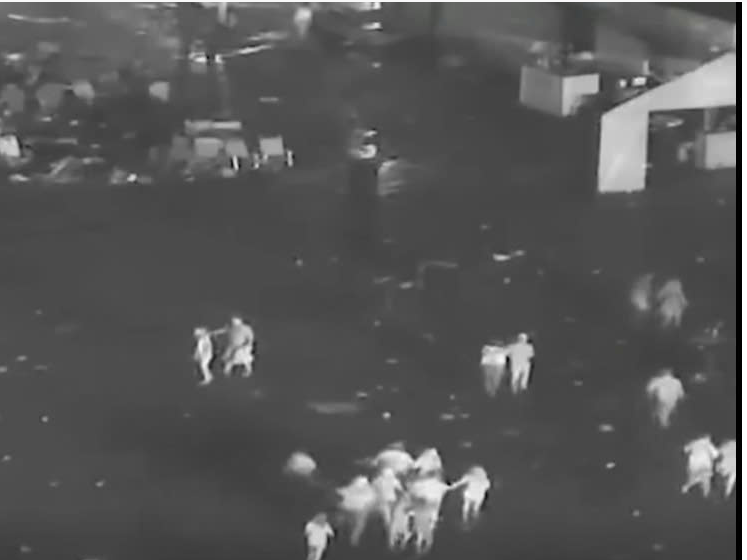
On the evening of October 1, 2017, what was meant to be a joyful gathering turned into one of the most devastating tragedies in modern American history. Thousands of people had come together for the Route 91 Harvest Festival, a widely loved country music event held along the Las Vegas Strip. The energy was electric. Fans were singing along to their favorite songs, lights illuminated the night sky, and performers brought the stage to life. It was the kind of atmosphere where strangers felt like friends, united by music and celebration. But at approximately 10:05 p.m., that sense of joy was shattered in an instant.
From a high vantage point on the 32nd floor of the Mandalay Bay hotel, a gunman named Stephen Paddock began firing into the crowd below. At first, many attendees were confused by the sound, mistaking it for fireworks or part of the show. Within moments, however, the terrifying reality became clear. The rapid, relentless noise was not part of the performance—it was gunfire. Panic spread almost immediately. People dropped to the ground, searching for any kind of cover. Others ran, trying to escape the open area where they had been enjoying the concert just seconds earlier.
The attack lasted roughly 10 minutes, but for those caught in the chaos, it felt like an eternity. Survivors later spoke about the overwhelming confusion and fear. Some described how they instinctively shielded others, even complete strangers, while others desperately tried to locate friends and family members in the darkness and noise. The sound of gunfire echoed off surrounding buildings, intensifying the sense of disorientation. In the midst of it all, acts of courage began to emerge, even as the danger continued.
First responders arrived quickly, moving toward the threat rather than away from it. Police officers, paramedics, and emergency personnel entered a scene marked by urgency and uncertainty. They worked under immense pressure, doing everything they could to assist the injured and restore some level of order. Hospitals across Las Vegas were soon overwhelmed with patients, yet medical staff responded with extraordinary dedication. Doctors, nurses, and volunteers worked tirelessly through the night, providing care and support to those in need.
By the time the situation came to an end, the scale of the tragedy was heartbreaking. Sixty people lost their lives, and more than 800 others were injured. It became the deadliest mass shooting in modern United States history. The numbers alone were difficult to comprehend, but behind each statistic was a person—a life, a story, a family forever changed.
Authorities were able to trace the source of the gunfire to the hotel room where Paddock had been staying. When law enforcement officers entered the room, they discovered that he had taken his own life. Inside, investigators found a large number of firearms, ammunition, and equipment that had been carefully arranged. The level of preparation suggested a deliberate effort to cause as much harm as possible, adding another layer of shock to an already devastating event.